




In patients suffering from the effects of toxic molds and mycotoxins, and other toxins, increased intracellular oxidative stress is one of the principle causes of cellular damage and mitochondrial dysfunction. 95% of magnesium in cells is in the mitochondria. This is why magnesium has an anti-toxin effect, and should be included as part of a treatment protocol
Magnesium is vital to improving nerve conduction and neuromuscular coordination. It is also very important patients with anxiety and depression. Double-blind, placebo-controlled studies show that it helps in mild-to-moderate depression.
In 50% of cases with epilepsy, patients do not have a clear diagnosis. Studies have shown how low levels of magnesium are associated with epilepsy. Magnesium also helps to prevent seizures.
Studies have shown that in patients with neurodegenerative diseases, such as Parkinson’s and Alzheimer’s, healthy levels of magnesium have a preventive effect. Low levels of magnesium were found in patients suffering from Alzheimer’s as compared with normal patients of the same age. Magnesium supplementation helped improve learning and other related symptoms.
In patients who suffer from migraines, many studies on magnesium have shown to both prevent and treat this condition. In these studies, magnesium was found to be more effective and superior to taking ketorolac, a commonly prescribed medication for migraines.
Low magnesium levels are seen in patients with metabolic syndrome and diabetes. Also, low magnesium levels are associated with insulin resistance and peripheral neuropathy.
In poisoning by orally-ingested toxins, magnesium can bind the toxin and prevent further absorption.
-

 Supplements
Magnesium Complex: Energy, muscle and nervous system support
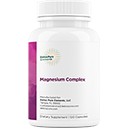
$18.99Magnesium Complex by DetoxPure Elements delivers a synergistic blend of highly absorbable magnesium forms — including magnesium succinate, magnesium taurinate, magnesium citrate, and magnesium malate — for comprehensive nutritional support….
References
- de Baaij JH, Hoenderop JG, Bindels RJ. Magnesium in man: implications for health and disease. Physiol Rev. 2015 Jan;95(1):1-46.
- Campbell AW.: Magnesium, Not to Be Overlooked. Altern Ther Health Medic, 19(3) May 2013.
- Gröber U, Schmidt J, Kisters K. Magnesium in Prevention and Therapy. Nutrients. 2015 Sep 23;7(9):8199-226.
- Manger B, Schett G. Magnesium Disorders. N Engl J Med. 2024 Aug 15;391(7):668-669.