


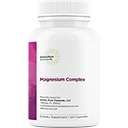


The number of people with nutrient deficiencies or even “subclinical insufficiencies” is high, ranging from 10 to 90 percent depending on the study and nutrient in question. This is exactly why adding high quality nutritional supplements to a balanced diet can help correct these deficits, especially when it comes to low Vitamin D and Magnesium levels in the body.
Magnesium Role in Vitamin D Absorption
In terms of improving your vitamin D status, it’s important to understand that certain nutrients like magnesium, can greatly improve the absorption of vitamin D. In fact, research shows that to enjoy optimal bone (and heart) health, you’ll definitely want to consider this critical mineral.
Are you at risk? Research reveals that your vitamin D levels greatly depend on magnesium
Multiple studies, including a paper from The Journal of the American Osteopathic Association, have found that vitamin D deficiency is linked to low magnesium levels. This evidence clearly suggests that magnesium is essential for the proper digestion and assimilation of vitamin D.
“All of the enzymes that metabolize vitamin D require magnesium,” say the authors of the March 2018 paper, called “Role of Magnesium in Vitamin D Activation and Function.” Magnesium, they add, functions “as a cofactor in the enzymatic reactions in the liver and kidneys.”
Health Risks of Vitamin D and Magnesium Deficiency
The authors also remind readers that a deficiency in either vitamin D, magnesium, or both is linked to a range of conditions including metabolic syndrome, cardiovascular disease, and bone health impairments. In addition, a vitamin D deficiency is linked to an increased risk of diabetes, depression, psoriasis, and breast, colon, and prostate cancers!
Why Magnesium Intake Matters
It seems that increasing your magnesium intake can really pay off, by the way. A 2013 study found that people who regularly consumed foods rich in magnesium were less likely to be deficient in vitamin D compared to people who didn’t consume a lot of magnesium in their diet. And other research shows that people with high levels of magnesium are also less likely to have low bone mineral density (something that vitamin D normally plays a critical role in).
These two nutrients so closely linked that it may be time to start thinking about them as a pair – you can’t worry about one without worrying about the other.
10 rich sources of magnesium designed to boost your overall well-being
As you probably know, healthy (direct) sun exposure is one of the best ways to ensure you produce enough vitamin D within your body. But, you can also consume vitamin D via supplements or in certain foods such as whole eggs and liver.
But there is one major health concern: If you’re not consuming enough magnesium, then your efforts to get enough of the “sunshine vitamin” will be ineffective, at best. So, be sure to add in these ten magnesium-rich foods into your weekly diet and also add a high quality magnesium supplement:
- Bananas
- Spinach
- Avocado
- Cashews
- Almonds
- Pumpkin seeds
- Oily fish
- Lima beans
- Sesame seeds
- Peanut butter
Therefore Men and women should take around 1000 milligrams (mg) of magnesium per day. Women who are pregnant or breastfeeding may need more.