




Andrew W. Campbell, M.D.
While there are many other mechanisms by which vitamin D influences microbial health, the role of vitamin D in supporting immunity during viral respiratory infections can be simplified into three categories: physical barrier, cellular natural immunity, and adaptive immunity.
Vitamin D and Physical Barrier Protection
Vitamin D helps maintain tight junctions and several articles reviewed in this study discussed how viruses disturb junction integrity, increasing infection by the virus and other microorganisms.
Through enhancement of cellular immunity, Vitamin D influences, in part, the cytokine storm induced by the innate immune system in response to viral and bacterial infections. Vitamin D also supports the healthy expression and balance of pro-inflammatory cytokines and anti-inflammatory cytokines released by macrophages.
As a modulator of adaptive immunity, vitamin D plays a role in responses mediated by the T helper cell type 1 (Th1), while promoting cytokine production by the T helper type 2 (Th2) cells, which helps enhance the indirect suppression of Th1 cells. Vitamin D also promotes induction of the T regulatory cells, thereby supporting healthy inflammatory processes.
Age-Related Decline in Vitamin D
Studies reviewed in this review found that: a vast majority of viral respiratory outbreaks occur in winter, a time when 25-hydroxyvitamin D (25(OH)D) concentrations are lowest; that the number of cases in the Southern Hemisphere near the end of summer are low; that vitamin D deficiency has been found to contribute to acute respiratory distress syndrome; and that case-fatality rates increase with age and with chronic disease comorbidity, both of which are associated with lower 25(OH)D concentration.
Recommended Vitamin D Levels for Immune Support
Serum 25(OH)D concentrations tend to decrease with age. Possible reasons include less time spent in the sun and reduced production of vitamin D as a result of lower levels of 7-dehydrocholesterol in the skin.
Based on studies included in the review, the authors suggest 25(OH)D concentrations be raised above 40–60 ng/mL (100–150 nmol/L) when added immune support is critical.
Antioxidant Benefits of Vitamin D
An additional benefit of vitamin D is that it enhances the expression of genes related to antioxidation, such as glutathione reductase. Increased glutathione production spares the use of ascorbic acid (vitamin C), which has antagonistic behavior towards some microbes.
The Role of Magnesium in Vitamin D Activation
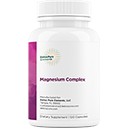
On a related note- magnesium supplementation has recommended when taking vitamin D supplements. Magnesium helps activate vitamin D. The enzymes that metabolize vitamin D require magnesium, which acts as a cofactor in the enzymatic reactions in the liver and kidneys.
Source: Grant, W.B.; Lahore, H.; McDonnell, S.L.; Baggerly, C.A.; French, C.B.; Aliano, J.L.; Bhattoa, H.P. Evidence that Vitamin D Supplementation Could Reduce Risk of Influenza and COVID-19 Infections and Deaths. Nutrients 2020, 12, 988.